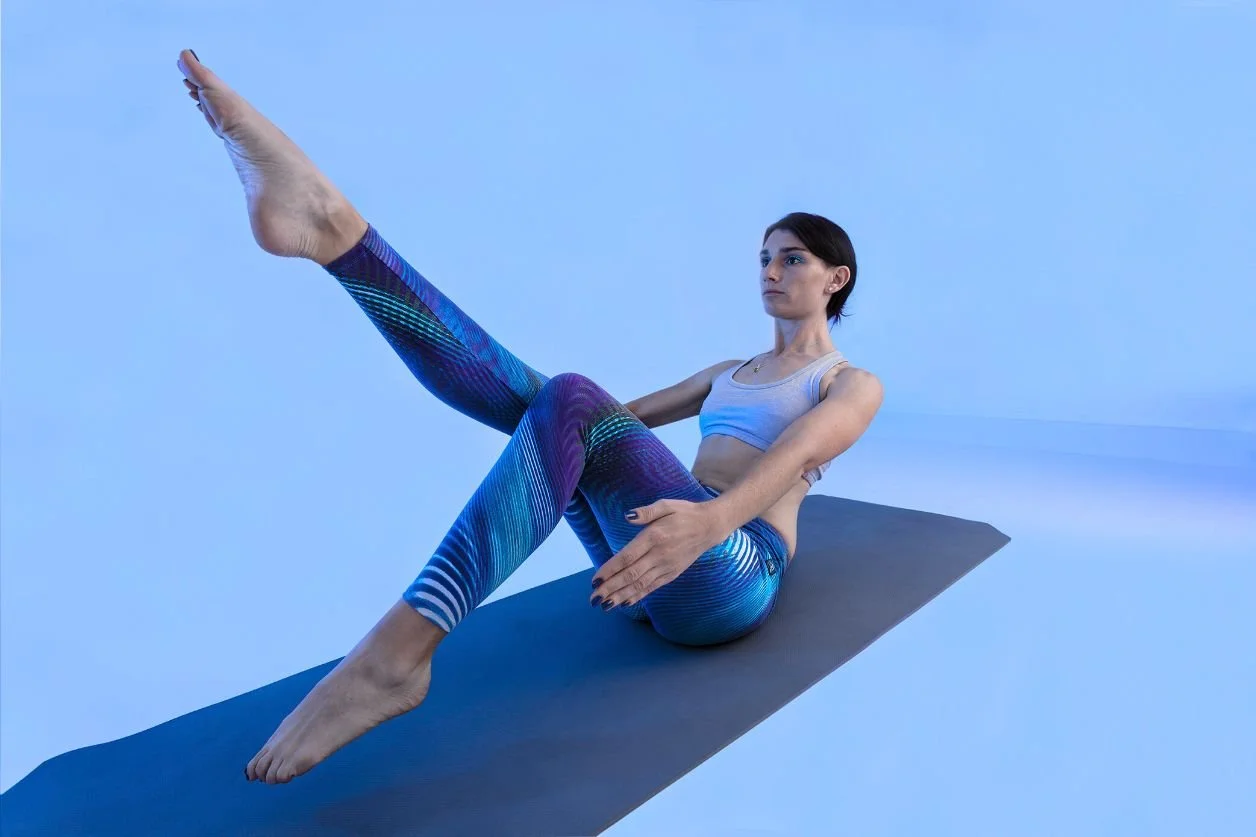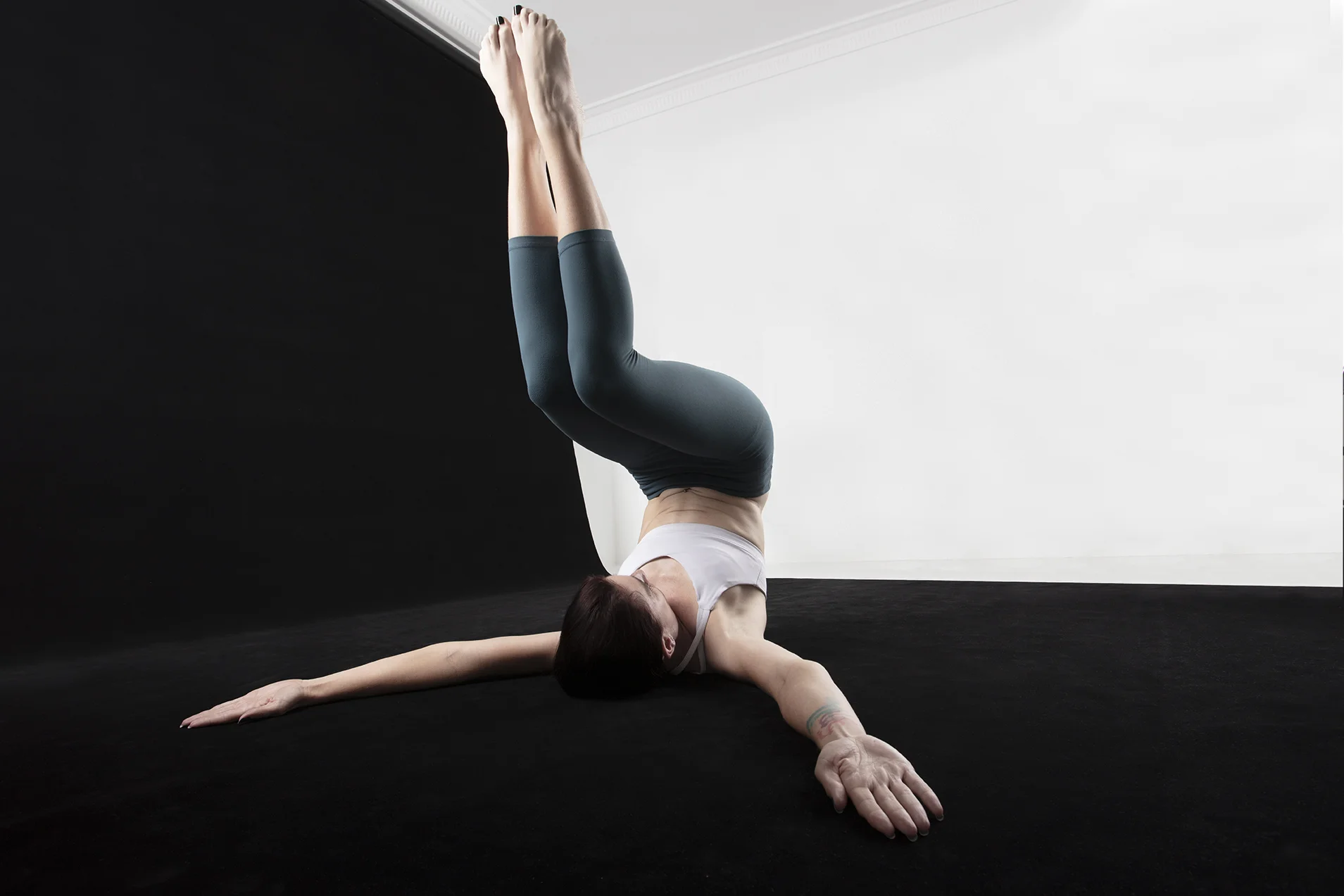
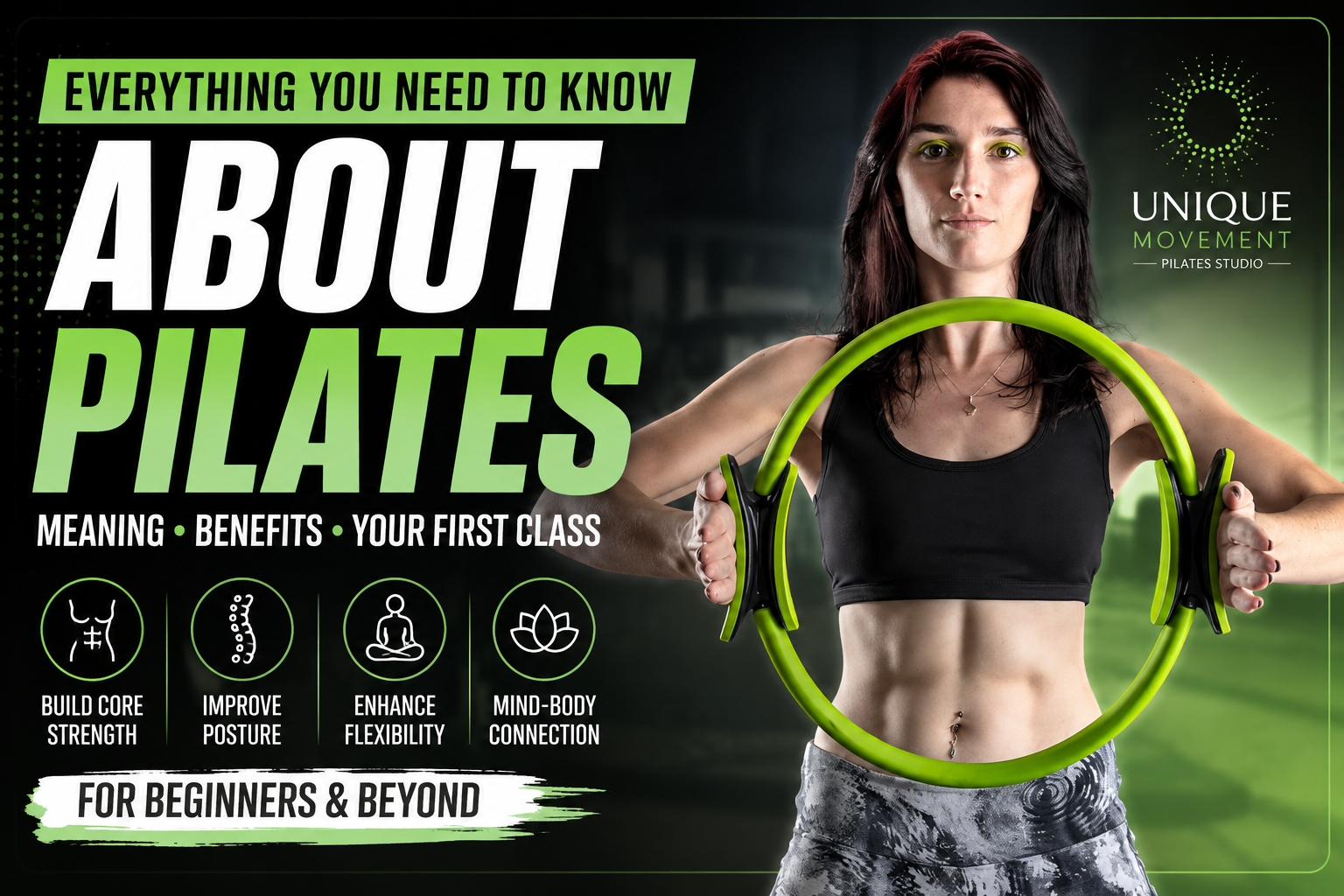
Everything you need to know about Pilates — from meaning and benefits to your first class.
What Is Pilates?
Pilates is a low-impact exercise method that focuses on controlled movements to strengthen muscles, improve flexibility, and enhance overall body awareness. Unlike high-intensity workouts, Pilates emphasises quality over quantity — each movement is performed with precision, proper alignment, and conscious breathing.
Whether you practise on a mat or use specialised equipment like a reformer, Pilates targets your deep stabilising muscles (often called your ‘core’) while improving posture, balance, and coordination. It’s suitable for all fitness levels and ages.
💬 “In my 15 years of teaching, I’ve seen Pilates transform everyone from desk-bound office workers to professional athletes. The beauty of this method is that it meets you exactly where you are.” — Sarah Mitchell
Pilates Meaning & History
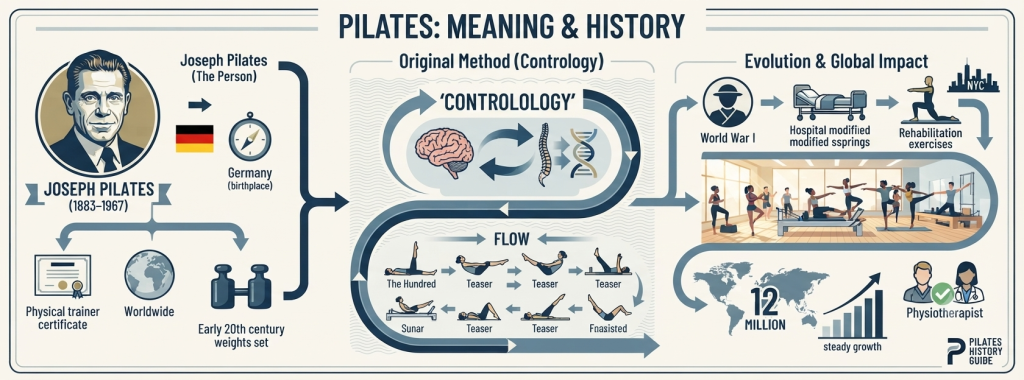
The word ‘Pilates’ comes from Joseph Hubertus Pilates (1883–1967), a German-born physical trainer who developed this exercise system in the early 20th century. Originally called ‘Contrology,’ the method was designed to unite mind and body through precise, flowing movements.
Joseph Pilates created his system during World War I to help injured soldiers rehabilitate. He later opened a studio in New York City, where dancers and athletes flocked to his method. Today, Pilates is practised by over 12 million people worldwide and is endorsed by physiotherapists and medical professionals.
Pilates Benefits: What the Research Shows
Research published in journals like the Journal of Bodywork and Movement Therapies and Musculoskeletal Science and Practice supports numerous benefits of regular Pilates practice:
- Builds core strength and stability without bulking
- Improves posture and spinal alignment
- Increases flexibility and joint mobility
- Reduces lower back pain (supported by clinical studies)
- Enhances body awareness and mind-body connection
- Safe for injury rehabilitation and prenatal fitness
💬 “I’ve personally worked with clients recovering from herniated discs, and the controlled nature of Pilates allows them to rebuild strength without aggravating their condition. One client went from barely walking to running a 5K within 8 months.” — Sarah Mitchell
Pilates for Beginners: What to Expect
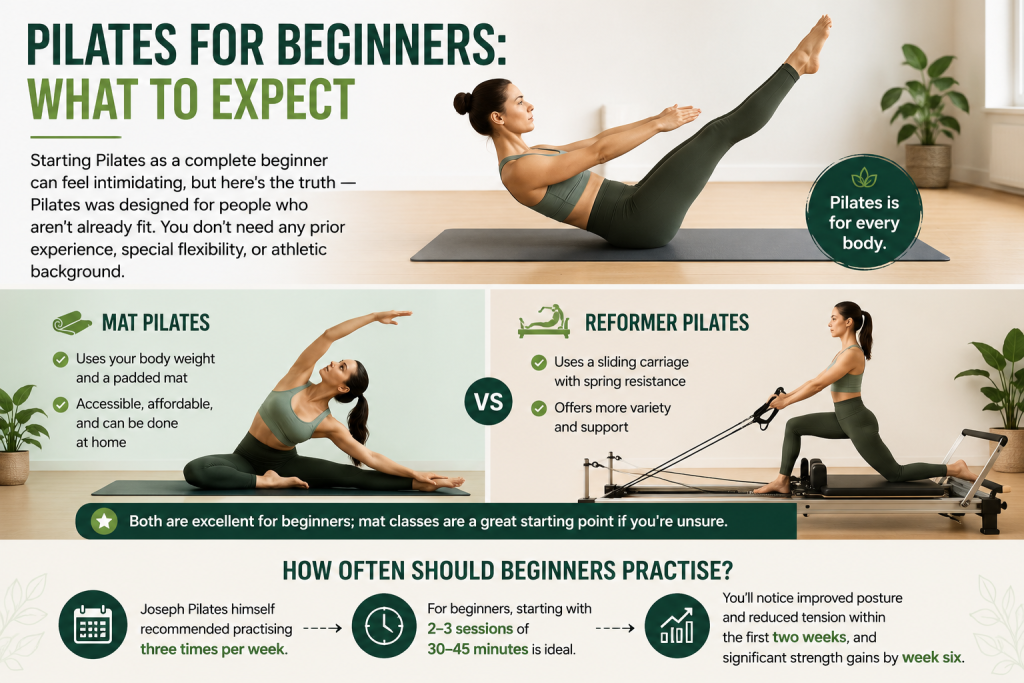
Starting Pilates as a complete beginner can feel intimidating, but here’s the truth — Pilates was designed for people who aren’t already fit. You don’t need any prior experience, special flexibility, or athletic background.
Mat Pilates vs. Reformer Pilates
Mat Pilates uses your body weight and a padded mat — it’s accessible, affordable, and can be done at home. Reformer Pilates uses a sliding carriage with spring resistance, offering more variety and support. Both are excellent for beginners; mat classes are a great starting point if you’re unsure.
How Often Should Beginners Practise?
Joseph Pilates himself recommended practising three times per week. For beginners, starting with 2–3 sessions of 30–45 minutes is ideal. You’ll notice improved posture and reduced tension within the first two weeks, and significant strength gains by week six.
Getting Started: Your First Steps
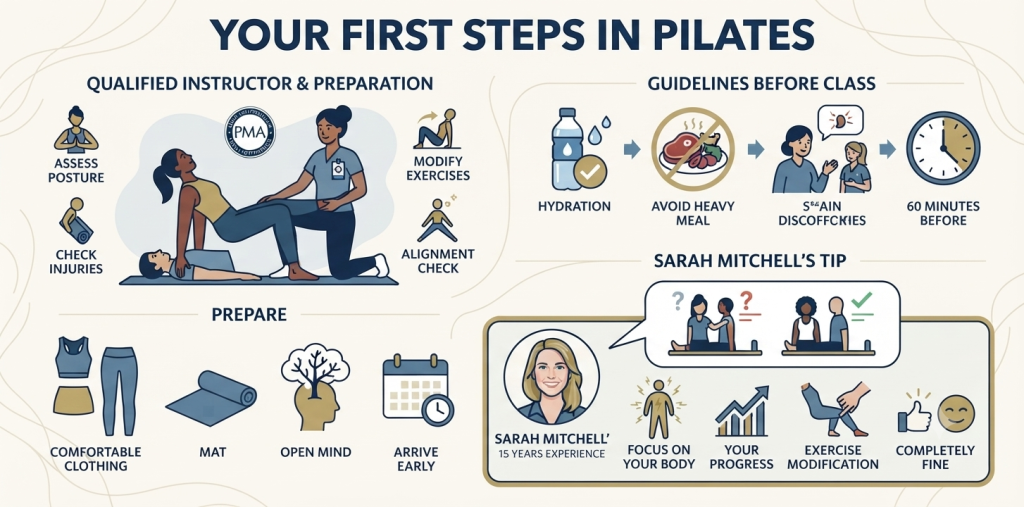
Find a qualified instructor — look for PMA (Pilates Method Alliance) certification or equivalent. A good instructor will assess your posture, ask about injuries, and modify exercises for your body. Wear comfortable, form-fitting clothing so your instructor can see your alignment.
All you need to start is a mat (or even a carpeted floor), comfortable clothing, and an open mind. Avoid eating a heavy meal beforehand, arrive hydrated, and communicate any discomfort to your instructor.
💬 “My biggest tip for beginners: don’t compare yourself to anyone else in class. Pilates is about YOUR body and YOUR progress. I still modify exercises after 15 years when my body needs it — and that’s perfectly fine.” — Sarah Mitchell
Ready to Experience Unique Movement?
Take your Pilates journey to the next level with Unique Movement’s expert coaching. Whether you are looking for private studio training, group reformer classes, or clinical rehabilitation, we provide a welcoming space designed to empower your body and build strength that lasts.
Visit Unique Movement
Frequently Asked Questions
Is Pilates good for weight loss?
Pilates builds lean muscle, which increases your resting metabolic rate. While it burns fewer calories per session than HIIT, the postural improvements and muscle tone contribute to a leaner appearance. Combining Pilates with cardio and balanced nutrition supports healthy weight management.
Can I do Pilates every day?
Yes — because Pilates is low-impact, daily practice is safe for most people. However, beginners should start with 2–3 sessions per week to allow the body to adapt. Listen to your body and rest if you feel strain.
What’s the difference between Pilates and yoga?
While both emphasise mind-body connection, Pilates focuses on core strength, spinal alignment, and controlled repetitions. Yoga incorporates more static holds, spiritual elements, and breathing practices. Many people enjoy both as complementary disciplines.