A physical therapist breaks down the key differences, benefits, and best use cases for both practices — so you can choose with confidence.
If you’ve been considering adding a mind-body practice to your routine, you’ve likely encountered the pilates vs yoga debate. Both disciplines promise improved flexibility, better posture, and reduced stress — but they approach these goals from fundamentally different philosophies.
As someone who has practised and taught both for over a decade, I can tell you: neither is universally ‘better.’ The right choice depends on your body, your goals, and what lights you up on the mat. Let me walk you through what I’ve learned clinically and personally.
What Is Pilates? Understanding the Method
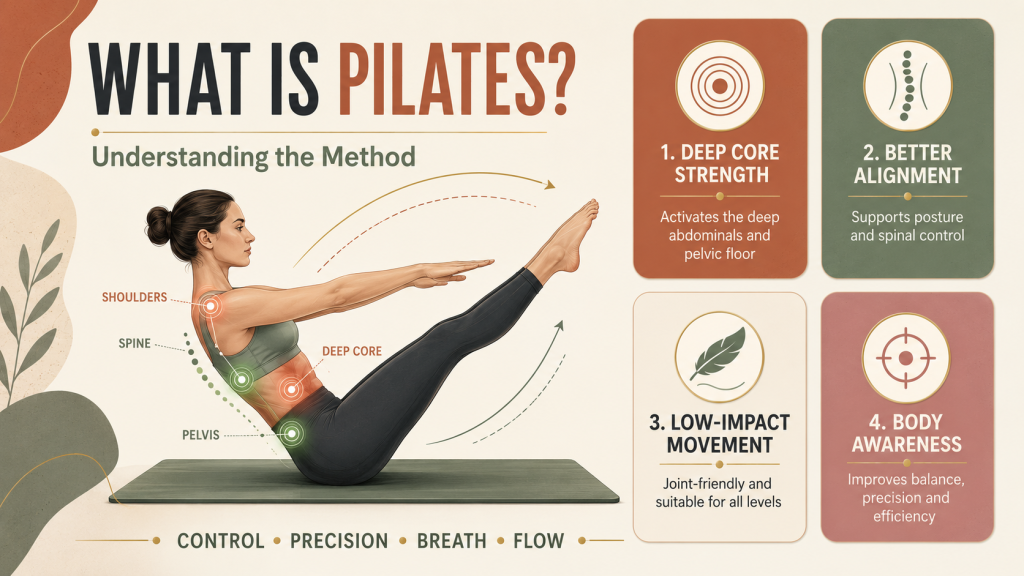
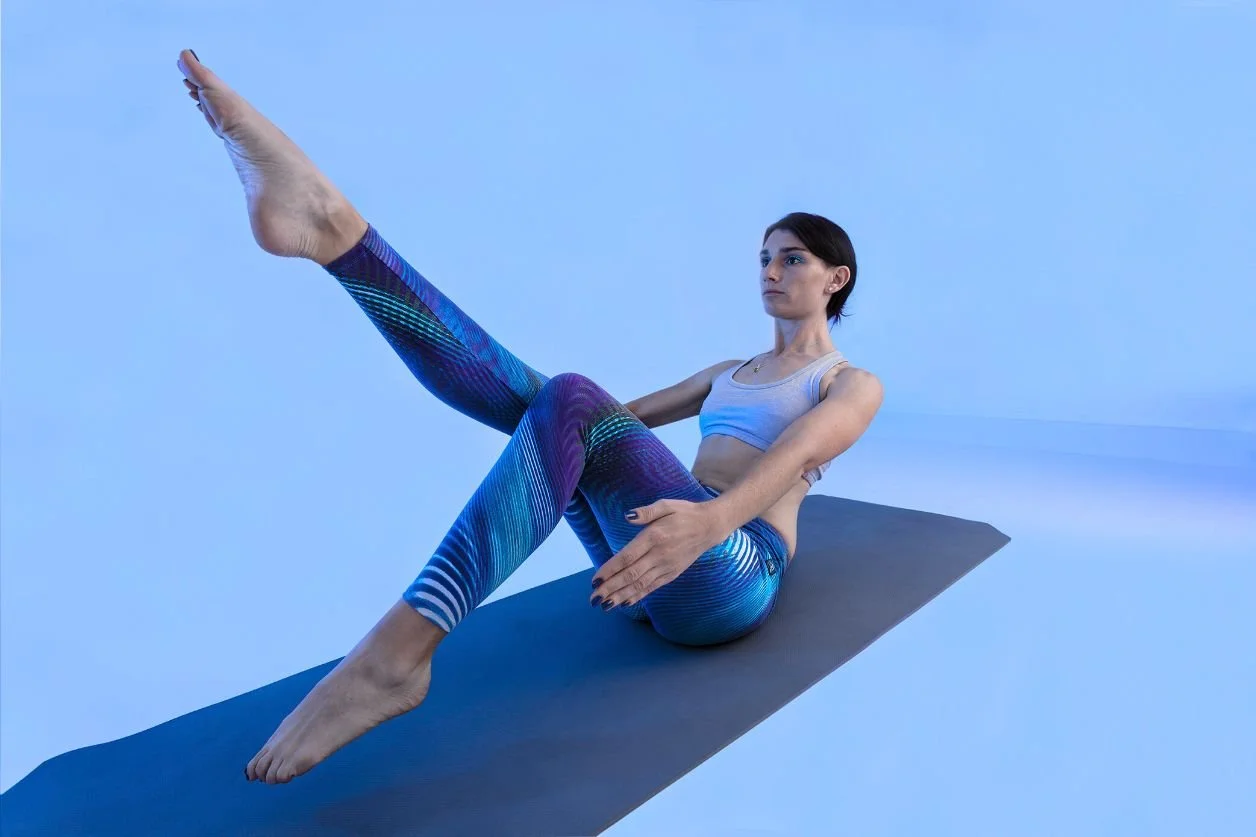
Developed by Joseph Pilates in the early 20th century, Pilates is a structured system of exercises designed to strengthen the core, improve alignment, and build controlled, efficient movement patterns. Unlike many fitness modalities, every Pilates exercise has a specific muscular focus.
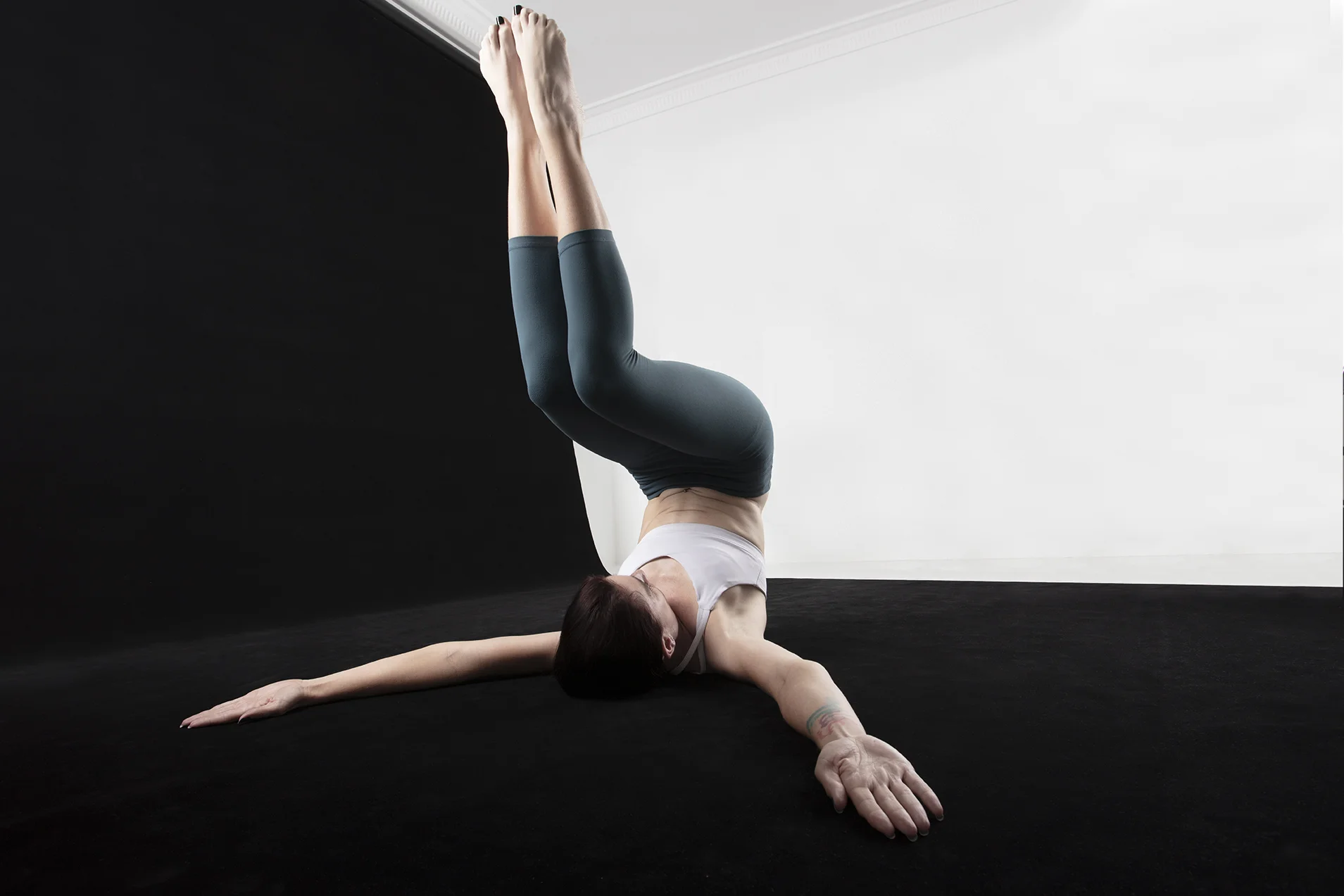
In my clinical practice, I frequently prescribe pilates exercises for patients recovering from back injuries. The emphasis on spinal articulation and deep stabiliser activation makes pilates stretches particularly effective for rehabilitation and injury prevention.
Key Pilates Benefits
- Builds deep core strength without bulk — targeting the transversus abdominis and pelvic floor
- Improves posture and spinal alignment through controlled, precise movements
- Low-impact and joint-friendly — suitable for rehabilitation and all fitness levels
- Enhances body awareness and movement efficiency for sport and daily life
What Is Yoga? More Than Just Stretching
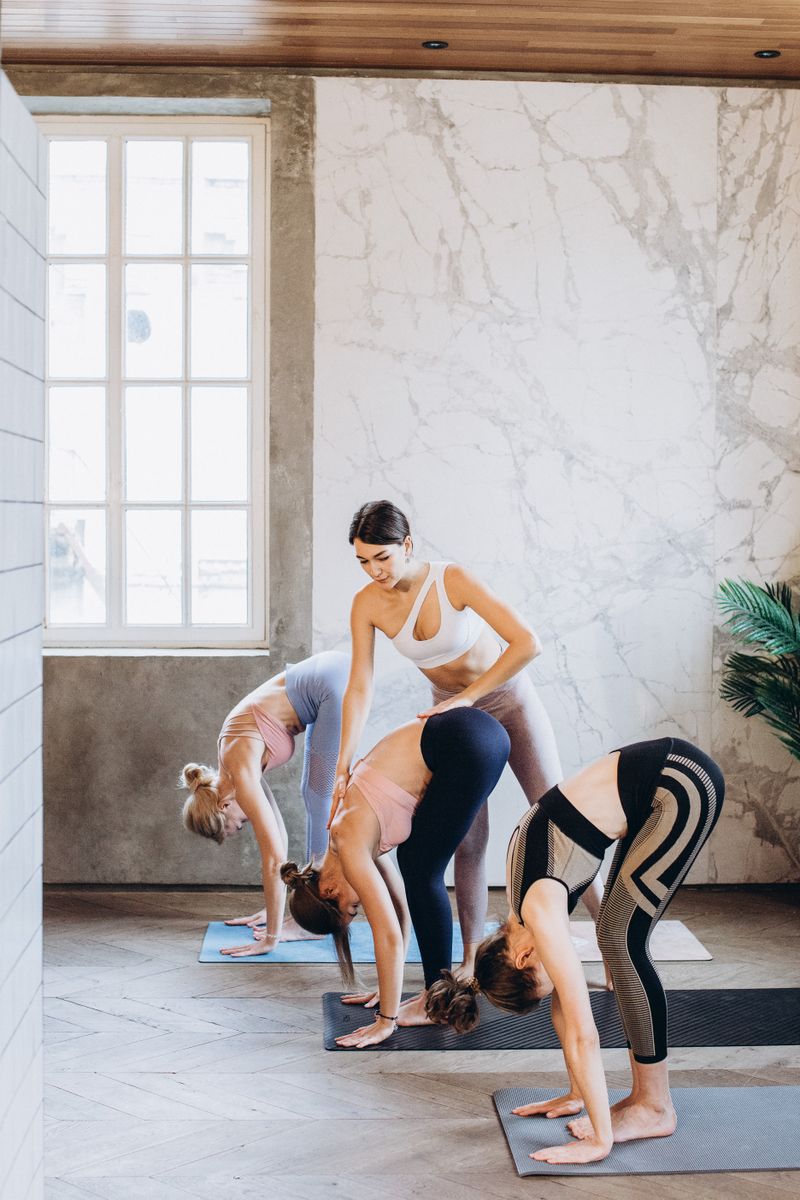
Yoga is a 5,000-year-old practice originating in India that integrates physical postures (asanas), breathwork (pranayama), and meditation. While Western fitness culture often reduces yoga to flexibility training, its scope is far broader — encompassing mental health, stress regulation, and spiritual connection.
From my experience, patients who commit to yoga often report improvements in anxiety, sleep quality, and emotional regulation that extend well beyond physical flexibility. The nervous system benefits are profound and well-documented in clinical literature.
Key Yoga Benefits
- Significantly reduces stress and anxiety through breathwork and parasympathetic activation
- Improves flexibility and joint range of motion over time with consistent practice
- Builds functional strength, balance, and proprioception through weight-bearing poses
- Offers variety — from restorative yin to athletic vinyasa — to match any energy level
Pilates vs Yoga: Side-by-Side Comparison
| Aspect | Pilates | Yoga |
|---|---|---|
| Primary Focus | Core strength & alignment | Flexibility & mindfulness |
| Breathing | Lateral thoracic breathing | Diaphragmatic & ujjayi |
| Equipment | Mat, reformer, props | Mat, blocks, straps |
| Best For | Rehab, posture, athletes | Stress relief, flexibility, holistic wellness |
So, Which Should You Choose?
Choose Pilates if your primary goals are core strength, injury rehabilitation, postural correction, or athletic performance. Pilates exercises offer a structured, progressive system that’s excellent for measurable physical outcomes.
Choose Yoga if you’re seeking stress relief, greater flexibility, a spiritual or meditative component, or a practice that adapts to your energy levels day by day. And honestly? Many of my patients do both — using pilates stretches for targeted strengthening and yoga for recovery and mental clarity.
Ready to Experience Unique Movement?
Take your Pilates journey to the next level with Unique Movement’s expert coaching. Whether you are looking for private studio training, group reformer classes, or clinical rehabilitation, we provide a welcoming space designed to empower your body and build strength that lasts.
Visit Unique Movement